Charlotte Sieber-Gasser
Internationalisation of law with a focus on democracy, sustainability and global justice.
Research | Teaching | Outreach
Internationalisation of law with a focus on democracy, sustainability and global justice.
Research | Teaching | Outreach
I studied law at University of Freiburg (Bachelor) and University of Bern (Master), and Development Studies (MA) at University of Manchester.
My PhD in International Economic Law at the World Trade Institute of the University of Bern was funded by SNSF as part of NCCR International Trade Regulation and supervised by em. Prof. Thomas Cottier.
My Habilitation at the intersection of international public law, constitutional law, and legal theory was reviewed by Prof. Judith Wyttenbach (main contact, 2nd reviewer) and Prof. Axel Tschentscher (1st reviewer) at the University of Bern.
A lifelong passion for research led me to study law at the Universities of Fribourg and Bern, where I sought to understand how societies organise social and economic interaction through legal institutions.
Although I greatly enjoyed my legal studies – particularly the research seminars – they did not fully answer the broader questions that had initially drawn me to the field. To pursue these questions, I completed a second Master's degree in Development Studies at the University of Manchester. Courses offered by the law faculty, such as Law and Development, Legal Issues in Emerging Markets, and Sociology of Law introduced me to the research perspective I had been seeking, combining legal analysis with insights from economics, political science, and sociology. This experience shaped my subsequent academic career. I returned to Switzerland to pursue a PhD on the role of international economic law in fostering sustainable economic growth in developing economies.
Completed in 2014, my doctoral thesis received an academic award and laid the foundation for my long-term research agenda on the relationship between international law, economic governance, and societal development. Following my doctorate, I held a SNSF-funded postdoctoral position, during which I prepared my dissertation for publication and conducted research on the impact of trade liberalisation on democracy and on the underutilisation of trade preferences in services trade agreements. These projects provided the conceptual and empirical groundwork for my subsequent habilitation research on the internationalisation of law.
In 2016, I joined the University of Lucerne as Senior Academic Assistant and Lecturer in Public Law, where I began my habilitation project. Inspired by the work of Dani Rodrik – particularly The Globalization Paradox – and Oliver Diggelmann's work on the liberal constitutional state and the internationalisation of politics, I set out to examine the internationalisation of law in Switzerland and its implications for the Swiss constitutional order. The project addresses the fundamental question of how increasing international legal integration transforms domestic legal systems and the constitutional state.
Balancing family life, teaching responsibilities, and a broad research portfolio inevitably slowed progress on the habilitation. In 2022, I joined the Graduate Institute of International and Development Studies as Senior Researcher in International Law within the SNSF-funded Sinergia project Making Trade Agreements Work in the Service of Society. The position allowed me to focus my research on how international trade liberalisation shapes processes of legal internationalisation while bringing my habilitation project to completion.
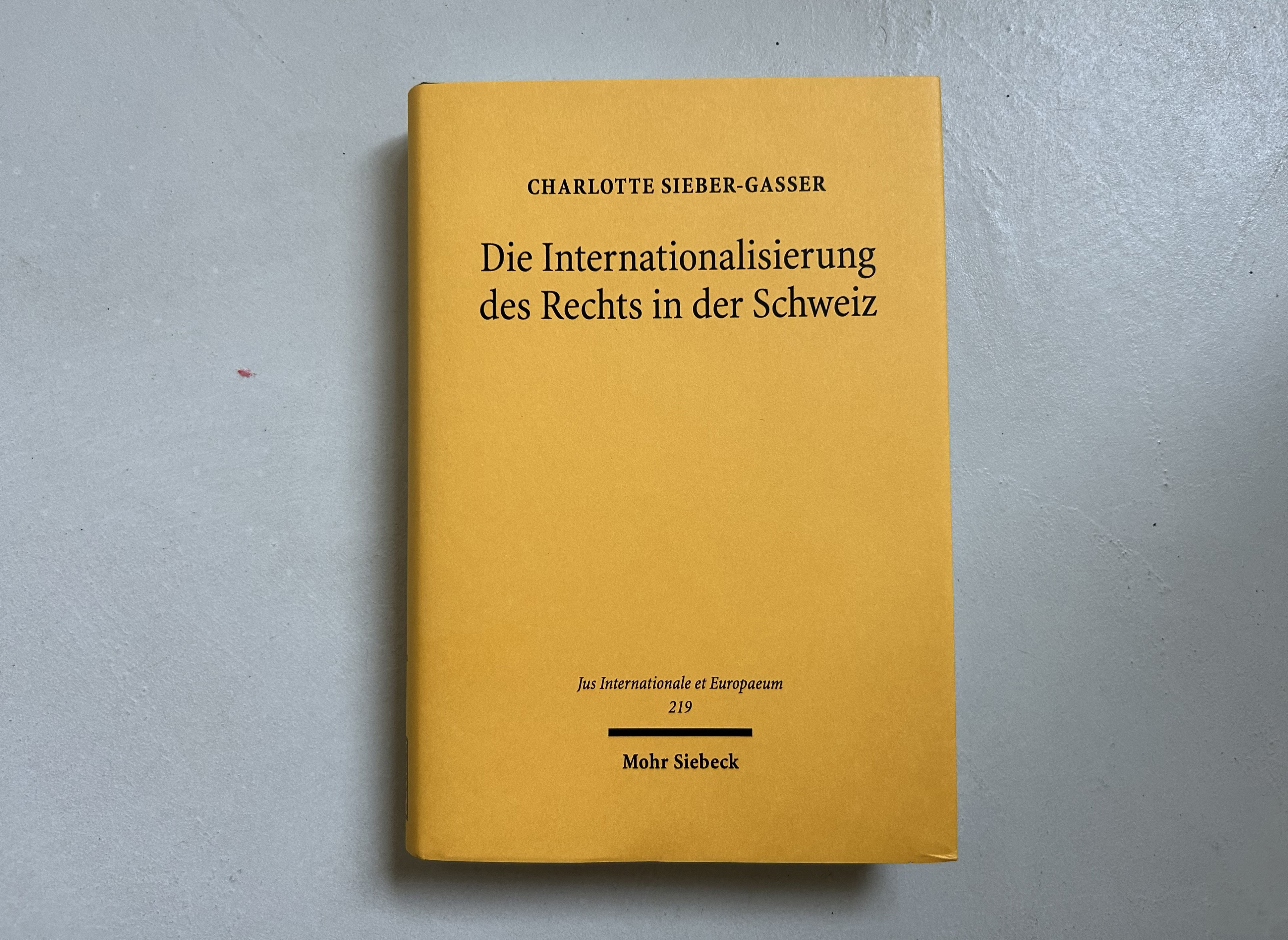
I submitted my habilitation thesis in the summer of 2024. It was published in open access by Mohr Siebeck in 2026. The book synthesises more than a decade of research on the causes, mechanisms, and effects of the internationalisation of law. At the same time, it provides the conceptual foundation for my current research projects, each of which develops specific questions and themes emerging from the habilitation.
Teaching is one of the most rewarding aspects of academic life. I regard it not simply as the transmission of knowledge, but as the cultivation of intellectual curiosity, critical thinking, and independent judgement. My aim is to equip students with the analytical tools to engage confidently with complex legal questions and to develop their own well-founded positions. Whether in undergraduate or postgraduate teaching, I seek to create a learning environment in which students are challenged intellectually while gaining confidence in their ability to think and argue independently.
Over the past decade, I have taught a broad range of subjects across public law, including international economic law, global trade policy, Swiss public law, public economic law, European Union law, public international law, and international environmental law. My teaching has taken place at the University of Bern, the University of St. Gallen, the University of Lucerne, Kalaidos Law School, Andrássy University Budapest, the Graduate Institute of International and Development Studies, the University of Zurich, and the ZHAW Zurich University of Applied Sciences. Together with colleagues, I developed and taught Switzerland's first Master's-level course on the Law of Sustainable Development.
My teaching is research-led and highly interactive. Rather than focusing primarily on the acquisition of doctrinal knowledge, I encourage students to analyse legal problems from multiple perspectives, engage critically with competing arguments, and develop solutions grounded in rigorous legal reasoning. Seminar discussions, case studies, collaborative exercises, and research-based assessments form an integral part of my courses. I believe that genuine learning occurs when students actively construct knowledge rather than passively receive it.
The rapid development of generative artificial intelligence reinforces, rather than diminishes, the importance of this pedagogical approach. Assessments that require critical analysis, independent research, and original argumentation continue to foster authentic learning in an AI-assisted environment. At the same time, I consider it an essential task of legal education to prepare students to use AI responsibly and effectively. I am therefore integrating AI literacy into my teaching, enabling students to understand both the opportunities and the limitations of these technologies for legal research, analysis, and writing.
Above all, I hope that students leave my courses with more than subject-specific knowledge: I want them to have developed the intellectual confidence, curiosity, and methodological skills that will accompany them throughout their professional lives. It is particularly rewarding that each year a number of students tell me that my courses have inspired them to pursue a PhD, an internship, or a career in the field.
Fostering critical thinking – I am an expert in designing 1) simulations and interactive learning units for class, and 2) exams that require and reward independent research.
Interdisciplinary and applied research – I have more than 10 years of experience in interdisciplinary research, both as collaborator, team-leader and principal investigator, while my research informs the AI-powered trade compliance platform created by the legal-tech startup Besso.
Coaching and mentoring students and young academics – I am trained in non-violent communication, worked as a Moot Court coach, and offer communication trainings for women in academia. I have an excellent track record in helping students acquire internships, scholarships or PhD positions.
Strategic litigation and policy change – Our complaint against Switzerland for discrimination of fathers after the birth of their child contributed to the introduction of parental leave. I have on several occasions successfully collaborated with lawmakers to turn research findings into policy change.
With more than 16 years of research and research leadership experience, I have developed leading expertise in the internationalisation of law in Switzerland and beyond. In particular:
Clarifying the legal foundations and essential core of sustainable development.
Explaining how globalisation and common concerns of humankind reshape the purpose of the state.
Comprehensive expertise across all free trade agreements currently in force worldwide and related trade laws and treaties.
Developing a legal theory explaining why democratic institutions must be re-evaluated in light of globalisation.
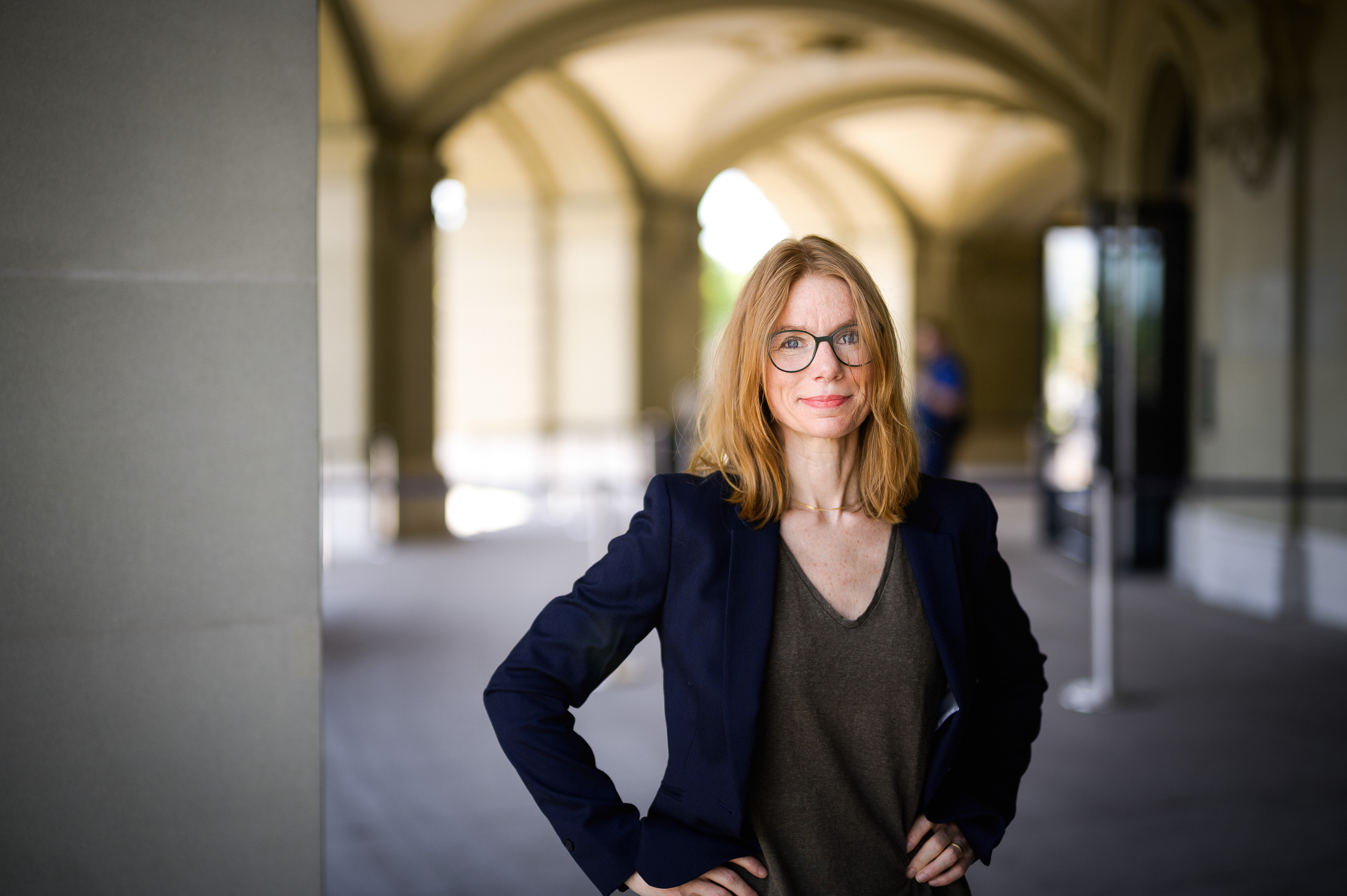
My second monograph "The Internationalisation of Law in Switzerland: Democracy on the Rack" was published in March 2026 in Open Access with Mohr Siebeck.
I was awarded the Habilitation with a broad venia in Constitutional, European and Public International Law by the Law Faculty of University of Bern in April 2025.
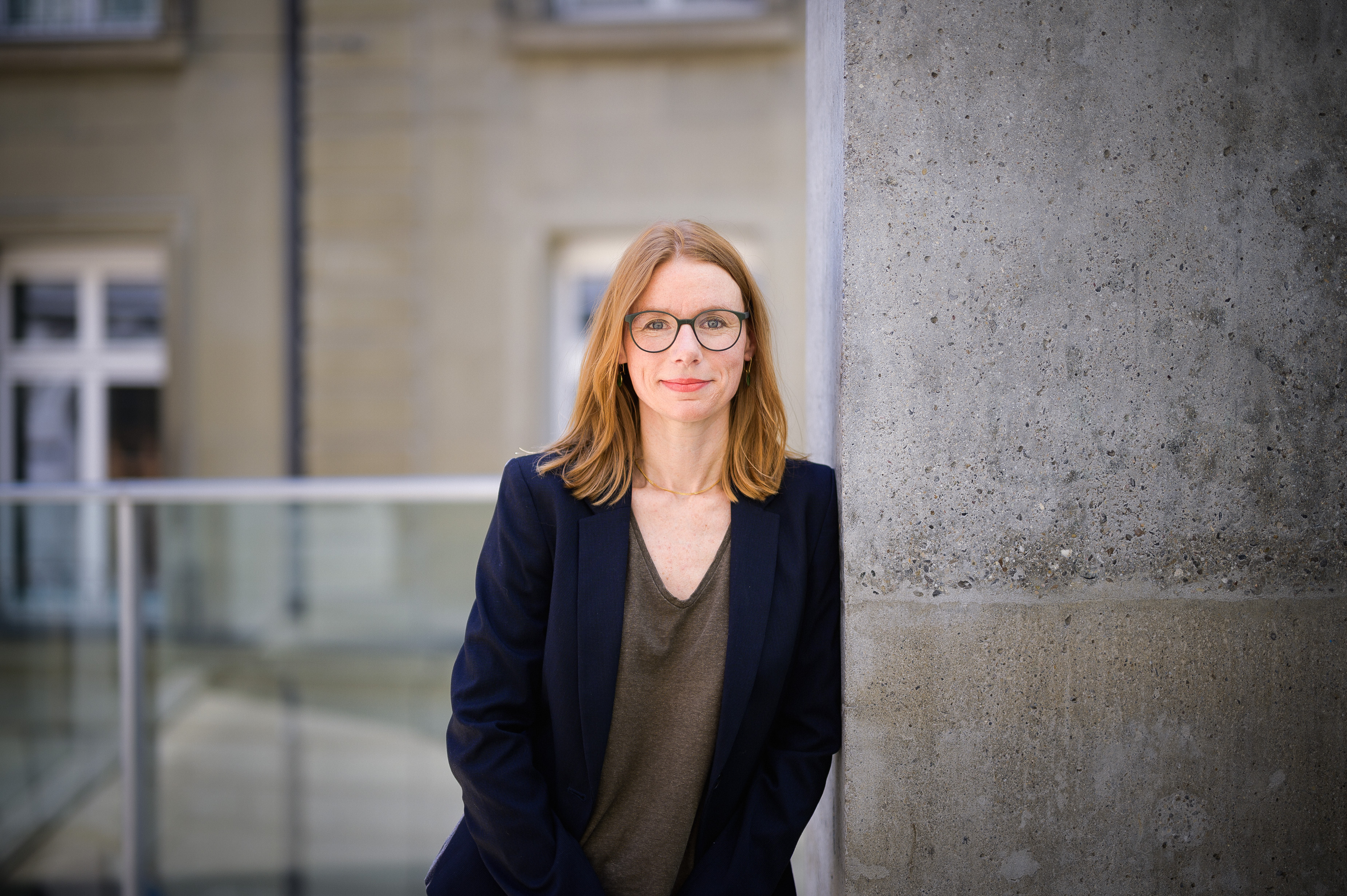
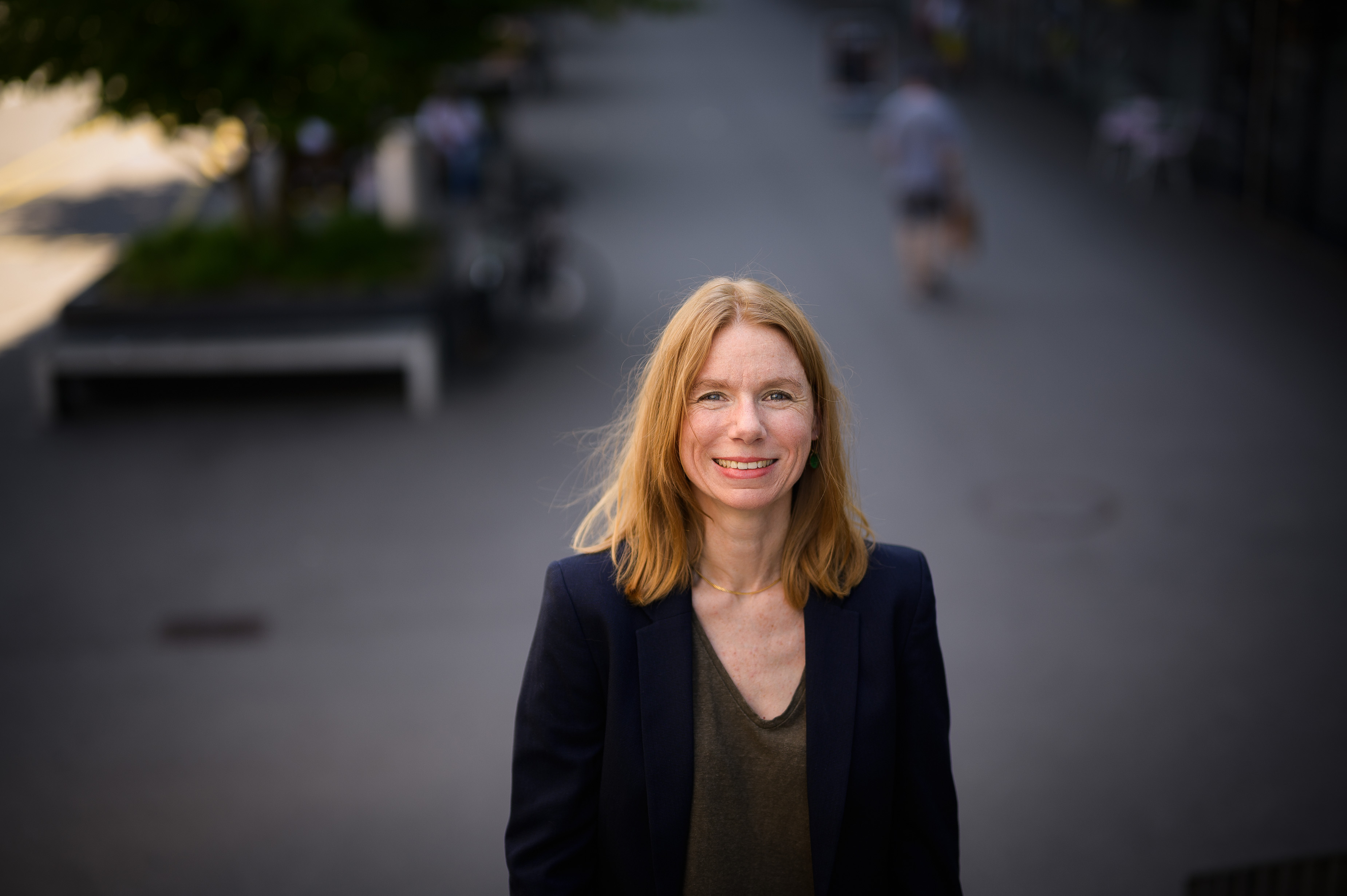
I was appointed Senior Researcher in the SNSF Sinergia Research Project «Making Trade Agreements Work in the Service of Society" at the Geneva Graduate Institute.
The Master's course in «Law of Sustainable Development» was a success, even though Covid-19 related online teaching required some extra flexibility.
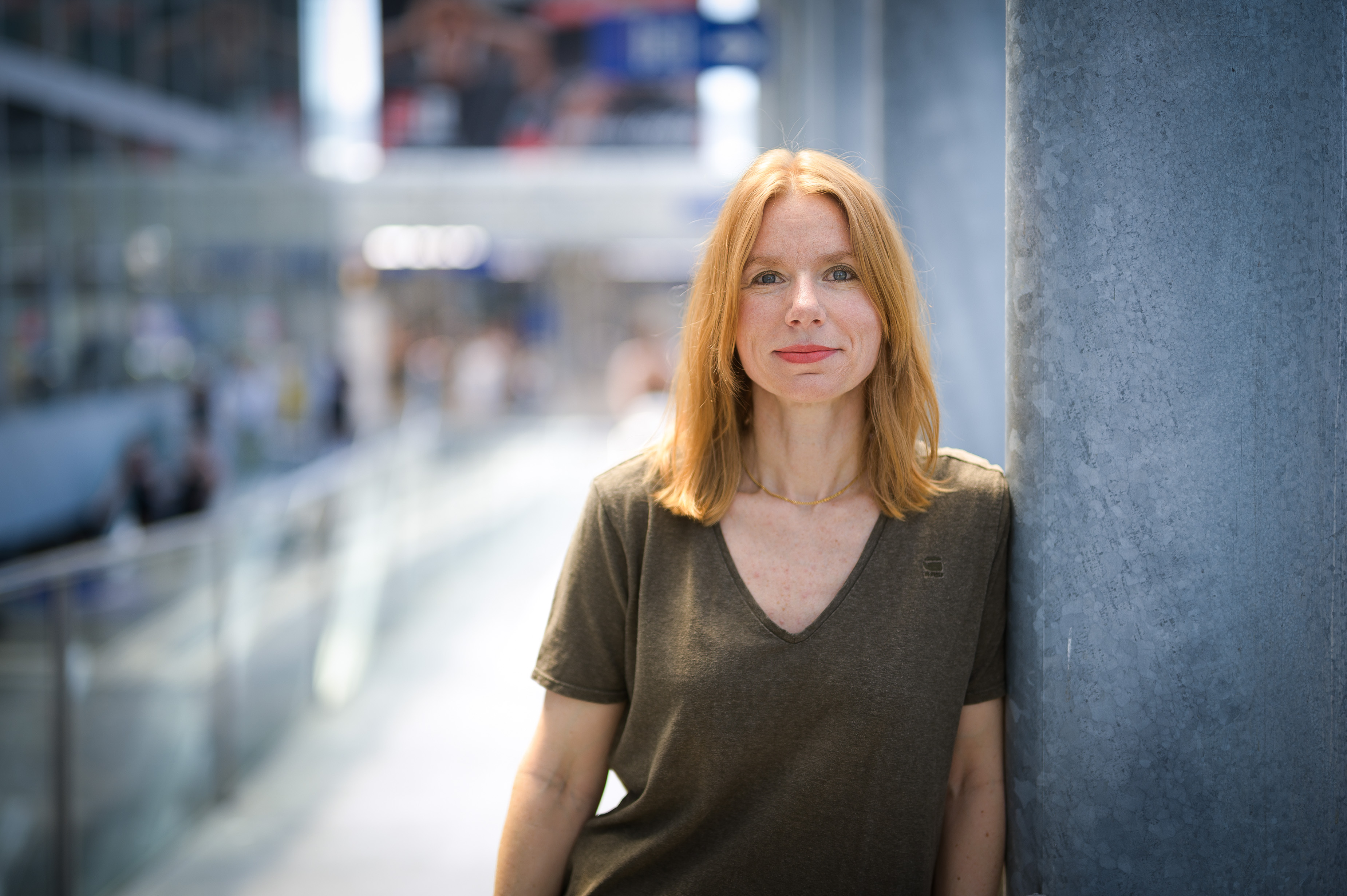
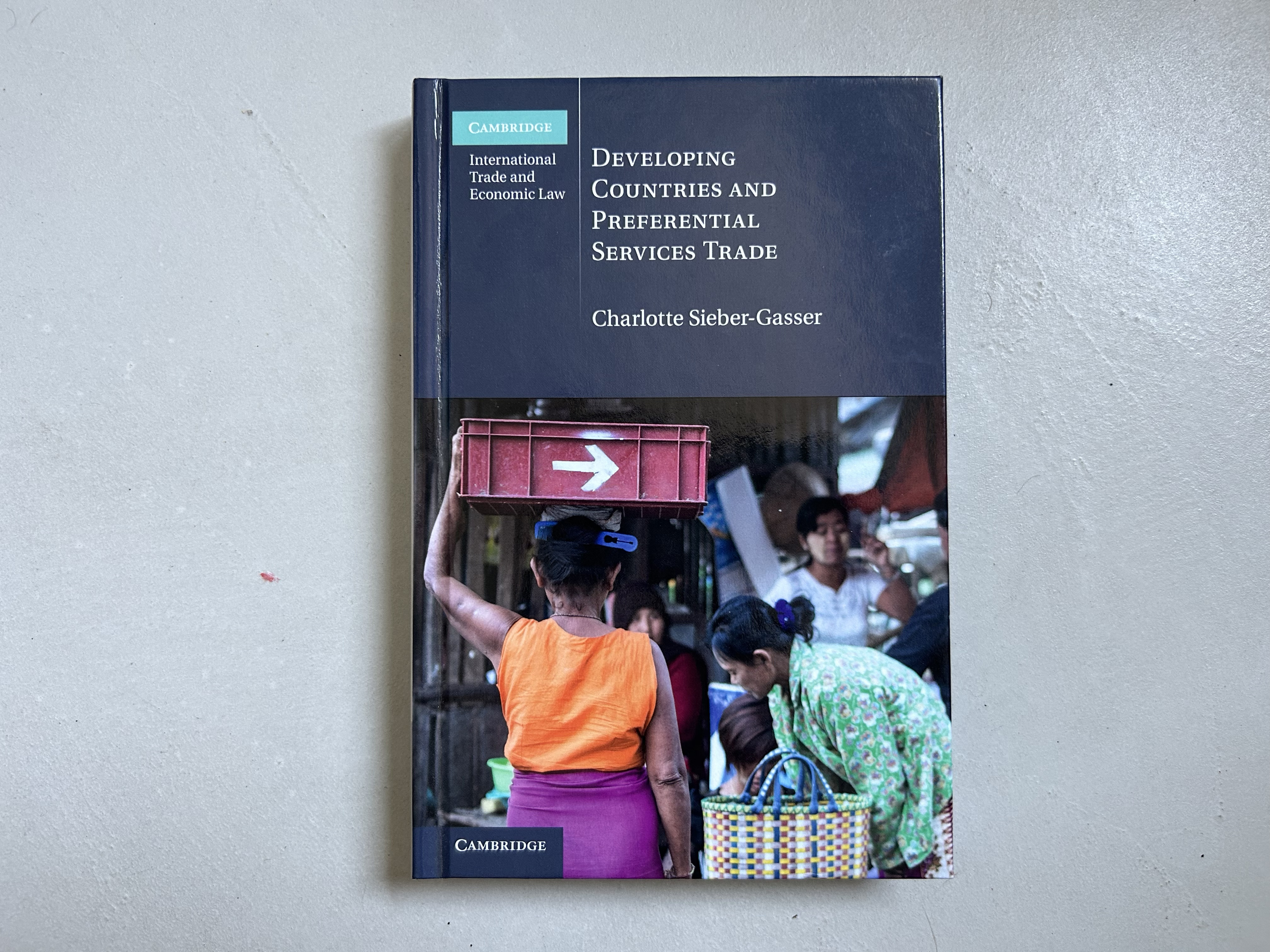
My PhD thesis on South-South Preferential Services Trade Agreements was published with Cambridge University Press in August 2016.
I was awarded the Dr. iur. (PhD) with summa cum laude by the Law Faculty of the University of Bern in May 2014. The thesis later won the prestigious Prof. Walther Hug Prize for its exceptional academic quality.